

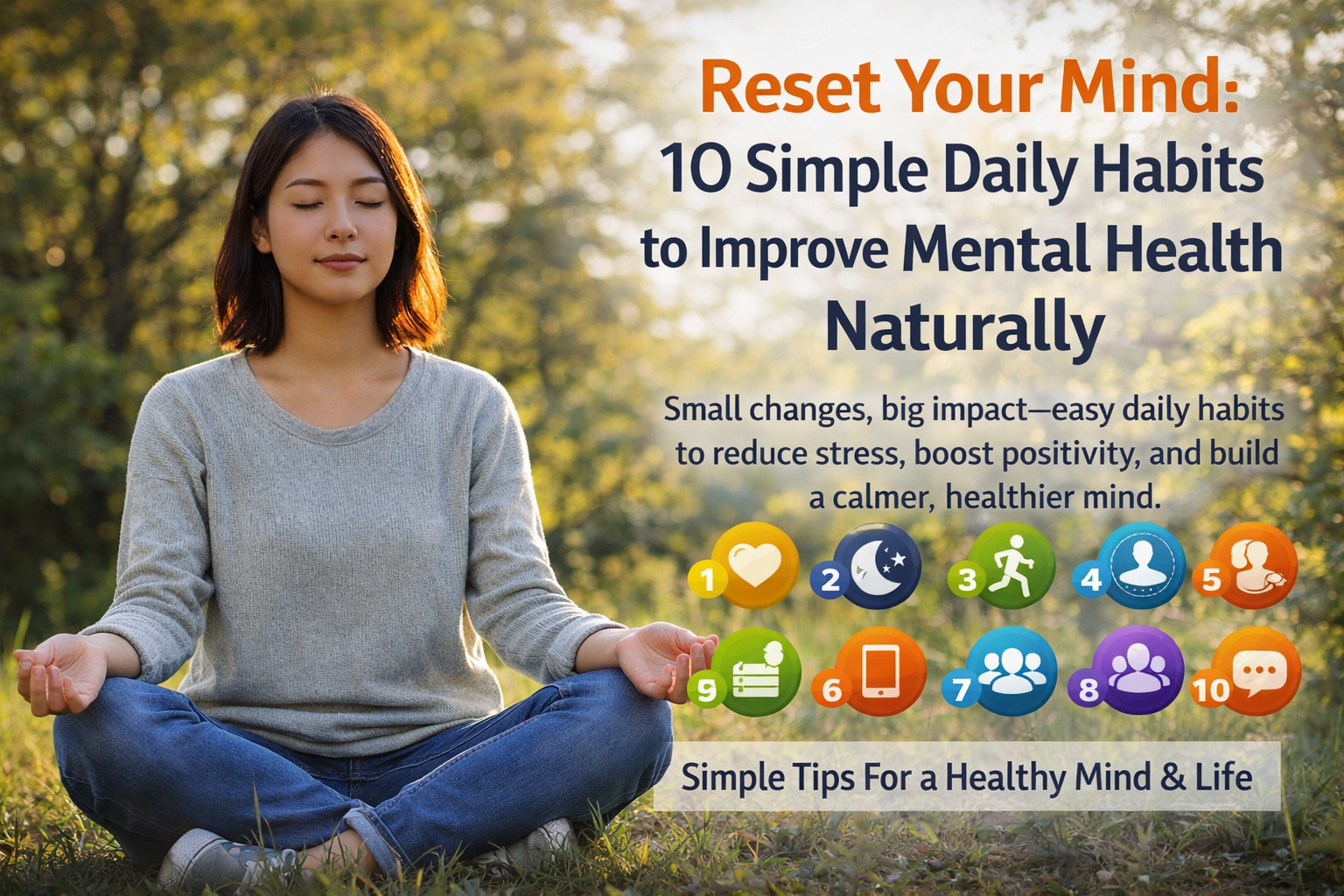
A low mood can affect your focus, productivity, relationships, and overall quality of life. The good news is that you don’t always need major life changes to feel better. Small, consistent daily habits can significantly improve your emotional well-being. In this article, you will learn simple, practical, and science-backed ways to instantly improve your mood and build a more positive mindset through easy daily changes.
Simple Daily Habits for Instant Mood Improvement
Morning Routine and Natural Light Exposure
Starting your day with a simple morning routine can have a powerful impact on your mood. Waking up at a consistent time and exposing yourself to natural sunlight helps regulate your internal body clock, which supports better emotional balance. Even a few minutes near a window or a short walk outside can boost serotonin levels, which is linked to happiness and calmness. A stable morning routine also reduces stress because it gives your day structure and direction. When your mind knows what to expect, it feels more in control, which naturally improves mood throughout the day.
Hydration and Balanced Nutrition
What you eat and drink directly affects how you feel. Dehydration can cause fatigue, irritability, and difficulty concentrating, which can quickly lower your mood. Drinking enough water throughout the day supports brain function and energy levels. At the same time, eating balanced meals with whole foods like fruits, vegetables, and protein helps stabilize blood sugar. This prevents sudden mood swings and energy crashes. When your body receives proper nutrition, your brain functions more efficiently, helping you feel more stable, focused, and emotionally balanced.
Reducing Morning Digital Overload
Checking your phone immediately after waking up can negatively affect your mental state. Social media, emails, and news can overload your mind with stress or comparison before your day even begins. Instead, giving yourself a short screen-free period in the morning allows your brain to wake up naturally. This simple habit reduces anxiety and improves mental clarity. When you avoid digital overload early in the day, you create space for calmer thoughts and better emotional control, which supports a more positive mood.
Mental Reset Techniques for Emotional Balance
Deep Breathing and Mindful Moments
Deep breathing is one of the fastest ways to calm the nervous system and improve mood instantly. When you take slow, controlled breaths, your body reduces stress hormones and increases relaxation signals. Even a few minutes of mindful breathing can help you feel more centered and emotionally stable. Practicing this regularly trains your mind to respond better to stress instead of reacting emotionally. Over time, it becomes a natural tool you can use anytime you feel overwhelmed or mentally drained.
Short Breaks and Mental Rest
Continuous work without breaks can lead to mental fatigue and irritability. Taking short breaks throughout the day helps reset your focus and improves emotional clarity. Stepping away from tasks, stretching, or simply resting your eyes allows your brain to recover. These small pauses prevent burnout and support better decision-making. When your mind is not overloaded, it becomes easier to stay calm and maintain a positive outlook, even during busy or stressful situations.
Practicing Gratitude Awareness
Gratitude is a powerful psychological tool that shifts attention from negative thoughts to positive aspects of life. When you intentionally focus on what is going well, your brain starts to reframe your thinking patterns. This improves emotional resilience and reduces stress. Practicing gratitude daily, even in simple mental reflections, can create a long-term positive shift in mood. It helps you appreciate small wins and reduces the tendency to overthink negative experiences.
Lifestyle Changes That Support Long-Term Happiness
Regular Physical Movement
Physical movement plays a major role in emotional health. Even light activity such as walking or stretching can release endorphins, which naturally improve mood. Regular movement also reduces stress hormones and increases energy levels. When your body stays active, your mind feels lighter and more balanced. You don’t need intense workouts—consistency matters more than intensity. Making movement a daily habit helps create long-term emotional stability and supports a more positive mindset.
Improving Sleep Quality
Sleep has a direct connection with emotional well-being. Poor sleep can lead to irritability, low motivation, and difficulty handling stress. Creating a consistent sleep schedule helps regulate your mood and improves mental clarity. A calm nighttime routine signals your brain that it is time to relax, making it easier to fall asleep. Quality rest allows your brain to reset, process emotions, and restore energy, which results in a more stable and positive mood the next day.
Limiting Negative Influences
Your environment and the content you consume greatly affect your emotions. Constant exposure to negative news, toxic conversations, or stressful online content can lower your mood over time. Reducing these influences helps protect your mental energy. Instead, surrounding yourself with positive content and supportive people creates a healthier emotional environment. When your input is balanced, your thoughts naturally become more stable and optimistic.
FAQs
1. How can I instantly improve my mood?
Simple actions like deep breathing, drinking water, or taking a short walk can improve your mood quickly.
2. Do daily habits really affect mood?
Yes, consistent daily habits have a strong impact on emotional balance and long-term mental health.
3. Can exercise improve mood immediately?
Yes, even light movement releases endorphins that help improve mood almost instantly.
4. How does sleep affect emotions?
Good sleep helps regulate stress levels and improves emotional stability and focus.
5. What is the fastest mental reset technique?
Deep breathing is one of the fastest ways to calm your mind and improve mood.
Conclusion
Improving your mood does not require complex solutions or major lifestyle changes. Simple daily habits like better morning routines, mindful breaks, healthy nutrition, and emotional awareness can make a significant difference in how you feel. When practiced consistently, these small changes build a stronger, calmer, and more positive mindset that supports long-term mental well-being.