

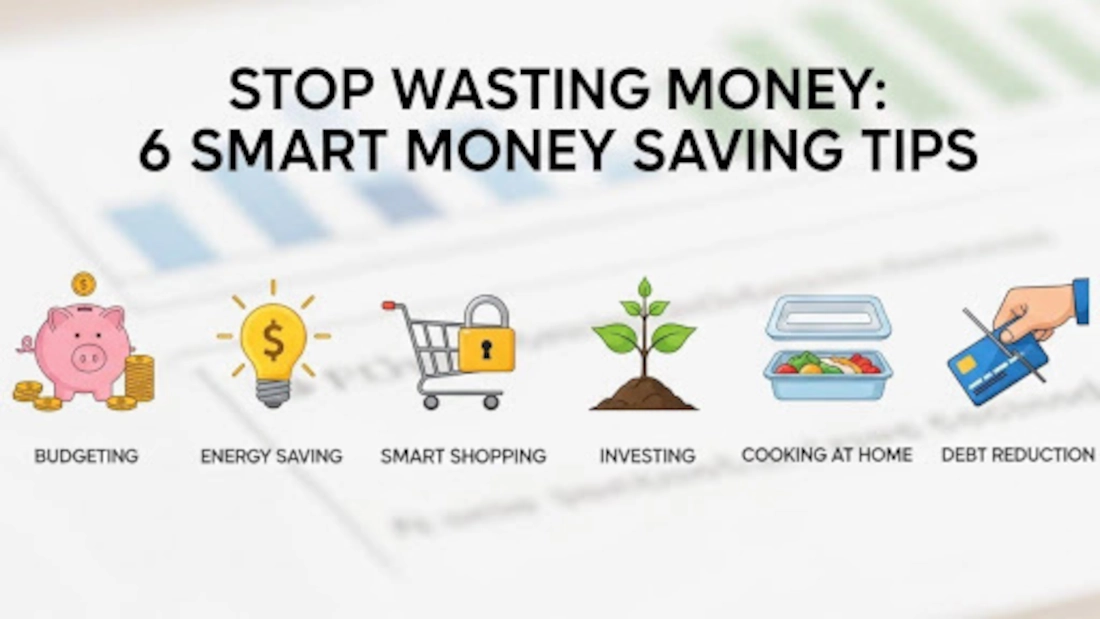
Saving money is often seen as something that requires sacrifice, lifestyle changes, or strict budgeting, but in reality, there are smarter ways to improve your finances without disrupting your daily routine. Many people lose money not because they spend too much, but because they are not aware of hidden expenses, inefficient habits, and missed opportunities for optimization. By applying simple financial strategies, you can reduce unnecessary costs, increase savings, and still enjoy the same lifestyle you are used to. This guide explains practical and proven methods that help you save money effortlessly while maintaining comfort and convenience.
Smart Spending Optimization Strategies
Track Small Daily Expenses
Small daily expenses often seem insignificant, but they accumulate into a large portion of monthly spending. By monitoring where your money goes—such as coffee, snacks, subscriptions, or transport—you can identify hidden leaks in your budget. This does not mean cutting these expenses entirely but becoming aware of them so you can make more intentional choices. Over time, tracking helps you understand spending patterns and naturally reduces waste without feeling restrictive.
Use Automated Budgeting Tools
Modern budgeting tools and mobile apps make it easier to manage money without manual effort. These tools automatically categorize spending and provide real-time insights into financial behavior. When your finances are organized in the background, you naturally become more mindful of unnecessary purchases. This approach saves money without requiring you to actively change your daily lifestyle or routines.
Optimize Subscription Services
Many people pay for multiple digital subscriptions they rarely use, such as streaming platforms, apps, or online memberships. Reviewing and optimizing these services can instantly reduce monthly expenses without affecting your lifestyle. The goal is not to remove entertainment or convenience but to ensure you are only paying for what you actually use regularly. This small adjustment can create long-term savings.
Smart Lifestyle-Based Financial Adjustments
Pay Attention to Energy Usage
Energy bills often increase due to unnoticed habits like leaving lights on, using inefficient appliances, or standby power consumption. By making small adjustments in how you use electricity and water, you can reduce utility costs without changing your comfort level. These changes are subtle but effective in lowering monthly bills while maintaining the same lifestyle quality.
Improve Routine Purchase Timing
Many everyday items have price fluctuations depending on timing, season, or demand. Understanding when to buy essentials can help you save money without changing what you buy. Instead of switching products or brands, simply adjusting purchase timing ensures you get better value for the same items you already use.
Use Loyalty and Reward Programs
Retailers, banks, and service providers often offer loyalty rewards that most people ignore. By using these programs strategically, you can earn discounts, cashback, or points on regular purchases. This method allows you to save money passively without altering your spending habits or lifestyle choices.
Smart Financial Habits for Long-Term Savings
Automate Savings Transfers
Automating savings ensures that a portion of your income is saved before you even have a chance to spend it. This method removes the need for discipline and helps build savings effortlessly. Since the process is automatic, it does not affect your daily lifestyle or require manual budgeting decisions.
Avoid Impulse Buying Triggers
Impulse buying is one of the biggest reasons people lose money unnecessarily. By becoming aware of emotional or unplanned purchases, you can reduce spending without limiting your lifestyle. Simple awareness techniques and waiting periods can help you make more thoughtful financial decisions without feeling restricted.
Compare Value Instead of Price
Focusing only on the lowest price can sometimes lead to poor-quality purchases that cost more in the long run. Instead, evaluating value—such as durability, performance, and long-term benefits—ensures smarter spending decisions. This approach helps you save money over time while still buying the same types of products you already use.
FAQs
1. Can I save money without changing my lifestyle?
Yes, by optimizing spending habits and using smart financial tools, you can save money without reducing comfort or daily activities.
2. What is the easiest way to start saving money?
Tracking expenses and identifying unnecessary costs is the simplest and most effective starting point.
3. Do small savings really make a difference?
Yes, small savings accumulate over time and significantly impact long-term financial stability.
4. How can I reduce monthly bills easily?
By optimizing energy usage, reviewing subscriptions, and using reward programs, you can reduce bills without lifestyle changes.
5. Are budgeting apps useful for beginners?
Yes, they simplify financial tracking and help beginners understand spending patterns effortlessly.
Conclusion
Saving money does not always require major lifestyle changes or sacrifices. By applying smart financial strategies such as tracking expenses, optimizing subscriptions, using automation, and improving spending habits, you can build consistent savings while maintaining your current lifestyle. The key is awareness and small adjustments that work in the background of your daily life. Over time, these strategies create strong financial stability without affecting your comfort or routine.