

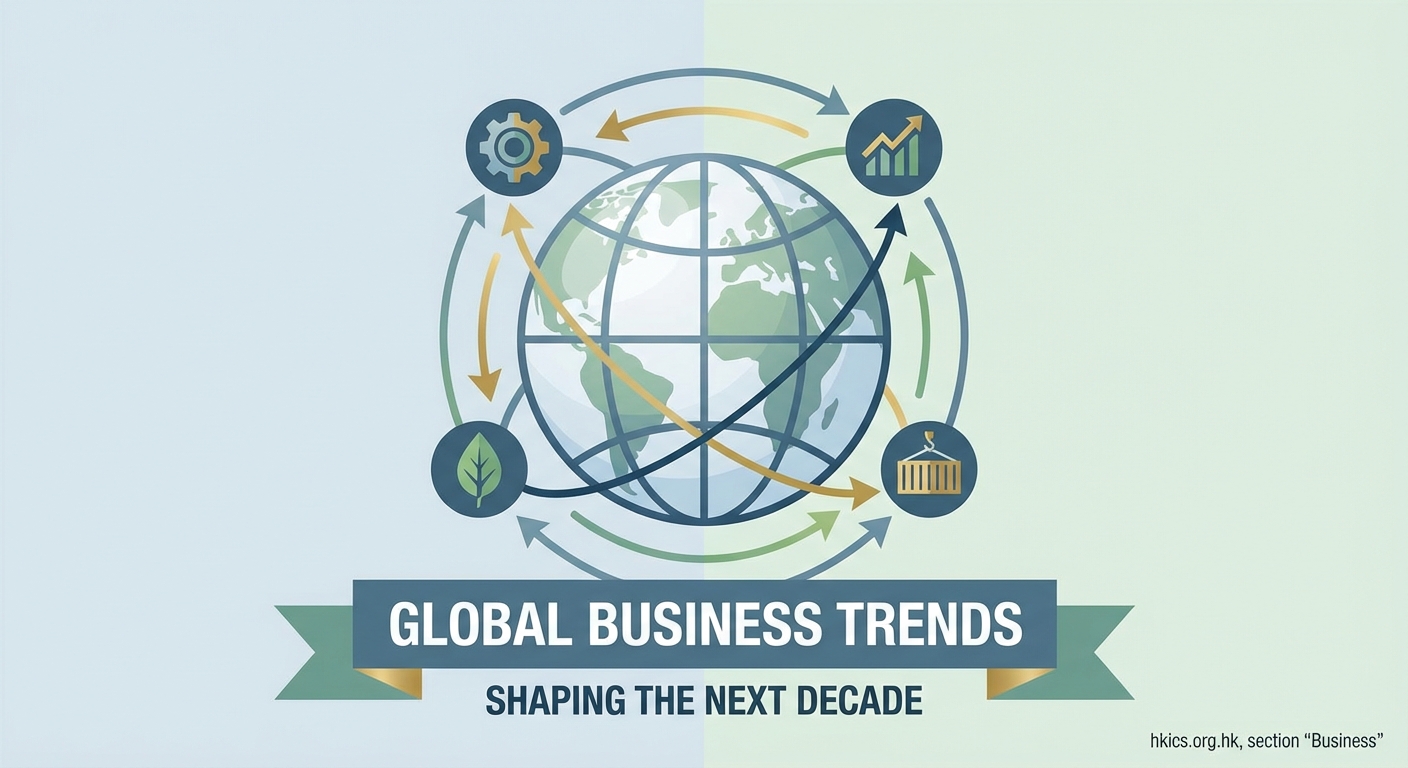
The global business landscape is changing faster than ever before. Technology, consumer behavior, and digital transformation are reshaping how companies operate and compete. From artificial intelligence to sustainable innovation, new opportunities are emerging that will redefine industries in the coming years. Understanding these emerging business trends is essential for entrepreneurs, investors, and professionals who want to stay ahead in a highly competitive global market.
Artificial Intelligence and Automation in Business
AI-Powered Decision Making
Artificial intelligence is becoming a core part of modern business operations. Companies are using AI-powered systems to analyze data, predict market behavior, and make faster decisions. This trend is helping businesses reduce errors and improve efficiency, especially in industries like finance, healthcare, and marketing. As AI tools become more advanced, decision-making processes will become more data-driven and accurate.
Business Process Automation
Automation is transforming repetitive tasks across industries. From customer support chatbots to automated accounting systems, businesses are reducing manual workload and increasing productivity. This shift allows companies to focus more on strategic growth rather than operational tasks. Automation also helps reduce costs and improves consistency in business performance.
AI in Customer Experience
Customer experience is being reshaped through AI-driven personalization. Businesses now use AI tools to understand customer preferences and deliver tailored recommendations. This improves customer satisfaction and increases retention rates. As competition grows, personalized experiences will become a major factor in business success.
Sustainable and Green Business Models
Rise of Eco-Friendly Companies
Sustainability is no longer optional—it is becoming a business necessity. Companies are shifting toward eco-friendly practices to reduce environmental impact. This includes using renewable energy, reducing waste, and adopting sustainable sourcing methods. Consumers are increasingly supporting brands that care about the environment.
Circular Economy Strategies
The circular economy model focuses on reusing and recycling materials instead of discarding them. Businesses adopting this approach are reducing production costs and minimizing waste. This trend is gaining popularity across manufacturing, fashion, and packaging industries, where resource efficiency is becoming a priority.
Green Consumer Demand
Consumers are becoming more environmentally conscious and prefer sustainable products. This shift is forcing businesses to rethink their product design and supply chain strategies. Companies that align with green values are likely to gain stronger brand loyalty and long-term growth.
Digital Transformation and Remote Work Economy
Expansion of Remote Work Systems
Remote work has become a permanent part of the global workforce. Companies are adopting flexible work models to attract talent from different regions. This trend has reduced operational costs and increased employee satisfaction. As technology improves, remote collaboration will become even more efficient.
Cloud-Based Business Operations
Cloud computing is enabling businesses to operate without physical limitations. Companies can now store data, manage operations, and collaborate globally through cloud platforms. This flexibility is driving faster innovation and scalability across industries.
Growth of Digital-First Companies
Digital-first businesses are prioritizing online platforms over traditional physical setups. These companies rely heavily on websites, apps, and digital marketing to reach customers. This approach is helping startups grow quickly with lower investment costs and wider global reach.
FAQs
1. What are emerging business trends?
Emerging business trends are new and developing changes in industries that influence how businesses operate and grow.
2. Why is AI important in business trends?
AI improves decision-making, automates tasks, and enhances customer experience, making it essential for future business growth.
3. What is a sustainable business model?
A sustainable business model focuses on environmentally friendly practices and long-term resource efficiency.
4. How does remote work impact businesses?
Remote work reduces costs, increases flexibility, and allows companies to hire talent globally.
5. Which industries are most affected by digital transformation?
Industries like retail, finance, healthcare, and education are heavily impacted by digital transformation.
Conclusion
Emerging business trends such as artificial intelligence, sustainability, and digital transformation are reshaping the global market at an unprecedented pace. Businesses that adapt to these changes will gain a strong competitive advantage in the future. Staying informed and flexible is key to long-term success in this evolving landscape.